Tulip Mania: The Flower That Cost More Than a House
In the winter of 1636–37, in the richest country in Europe, people were paying more for a single flower bulb than for a house. The bulb was a tulip — a flower that had arrived from Turkey eighty years earlier — and the most prized variety, the Semper Augustus, was a white flower streaked with crimson, so rare that only about a dozen bulbs were known to exist. In February 1637 the market collapsed in a matter of days, and the price of tulips fell by more than ninety per cent. Tulip mania became the most famous market bubble in history — the story everyone tells when prices go mad. But the true story is stranger and more interesting than the legend, and this site tells it in eleven chapters: how the tulip arrived in Europe, why the Dutch loved it, how the bulb trade worked, what the prices really were, what happened in the winter of 1637, and what modern historians think really happened.
Start here
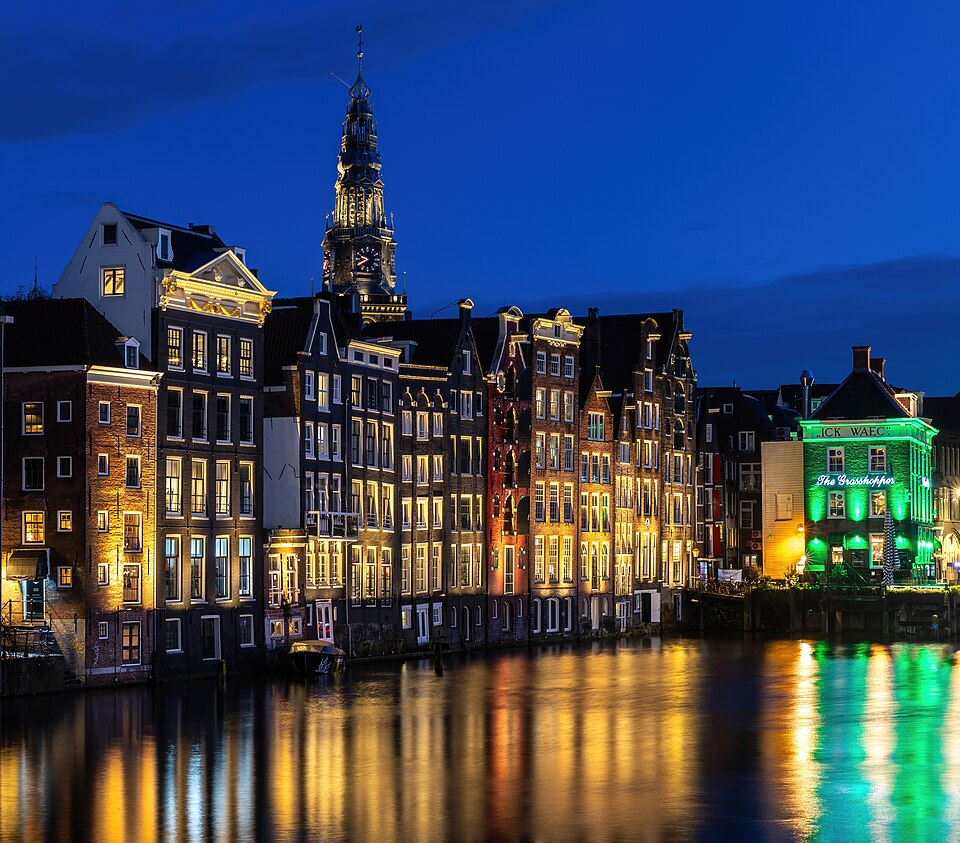
Five numbers tell the story. A skilled craftsman in the 1630s earned about 300 guilders a year. A single bulb of the Semper Augustus, the most famous tulip, was offered for 3,000 to 4,200 guilders, and at its peak for as much as 5,500 to 6,000 guilders — more than a grand house on an Amsterdam canal. The mania accelerated from 1634 and peaked in the winter of 1636–37. In February 1637 the market collapsed, and prices fell by about ninety per cent in a few weeks. And the cause of the most prized tulips' beauty — the streaks of colour that made them so valuable — was a virus, which no one at the time understood.
How it began
- The Tulip Arrives in Europe — from the mountains of Central Asia to the gardens of Vienna and Leiden.
- Dutch Golden Age — the richest country in Europe, and the world's first stock market.
- The Bulb Trade — how tulips were bought and sold, and the paper contracts that changed everything.
- Semper Augustus — the most famous tulip in history, and the virus that made it beautiful.
The boom and the bust
- Prices and Speculation — what bulbs really cost, and who was buying them.
- The Winter of 1637 — the peak of the mania, and the auction at Alkmaar.
- The Crash — the day in Haarlem when no one would buy, and the collapse that followed.
- What Really Happened — the famous story, and what modern historians say is wrong with it.
Afterwards
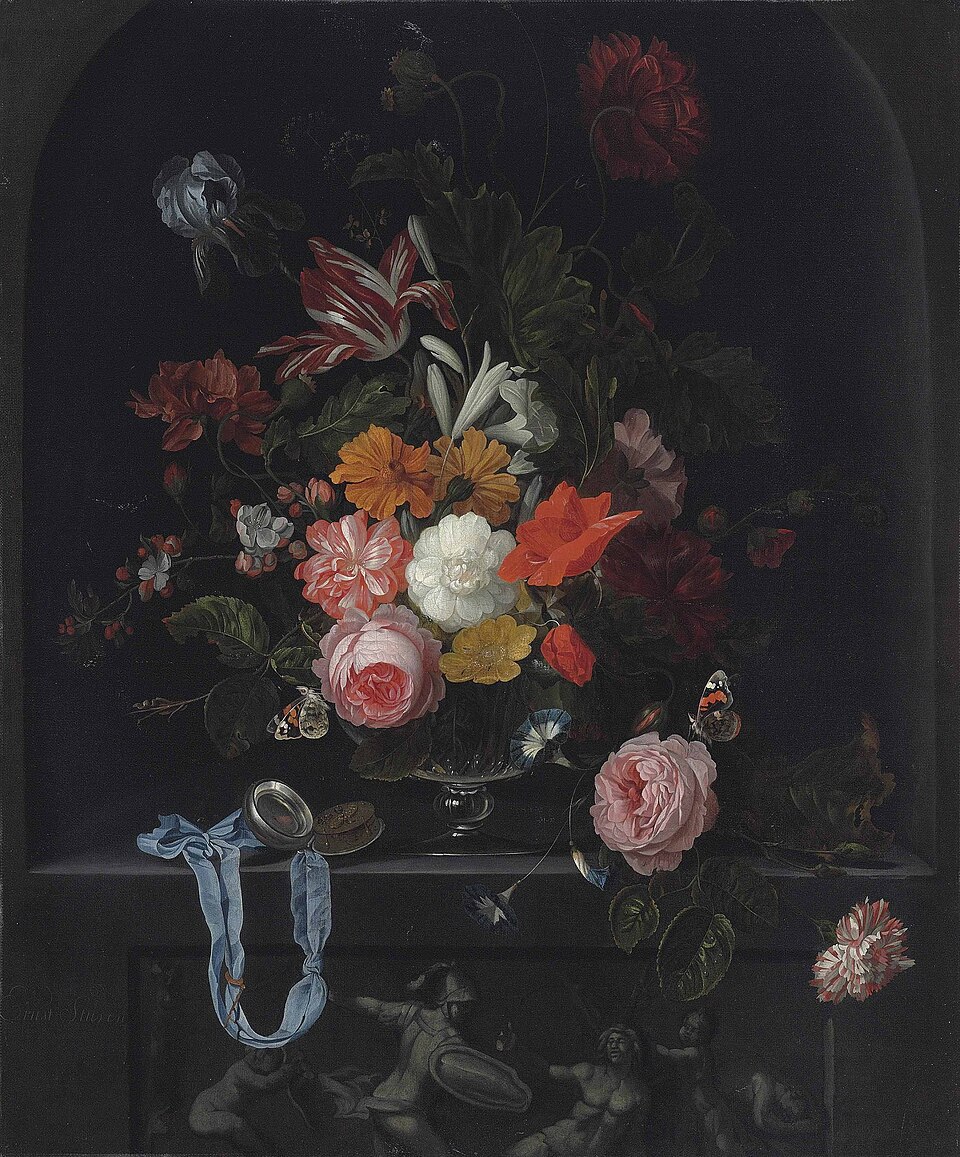
- Tulip Mania in Culture — Mackay's book, Dumas's black tulip, and the paintings that made the flower immortal.
- Lessons for Investors — what the mania teaches about bubbles, and what it does not.
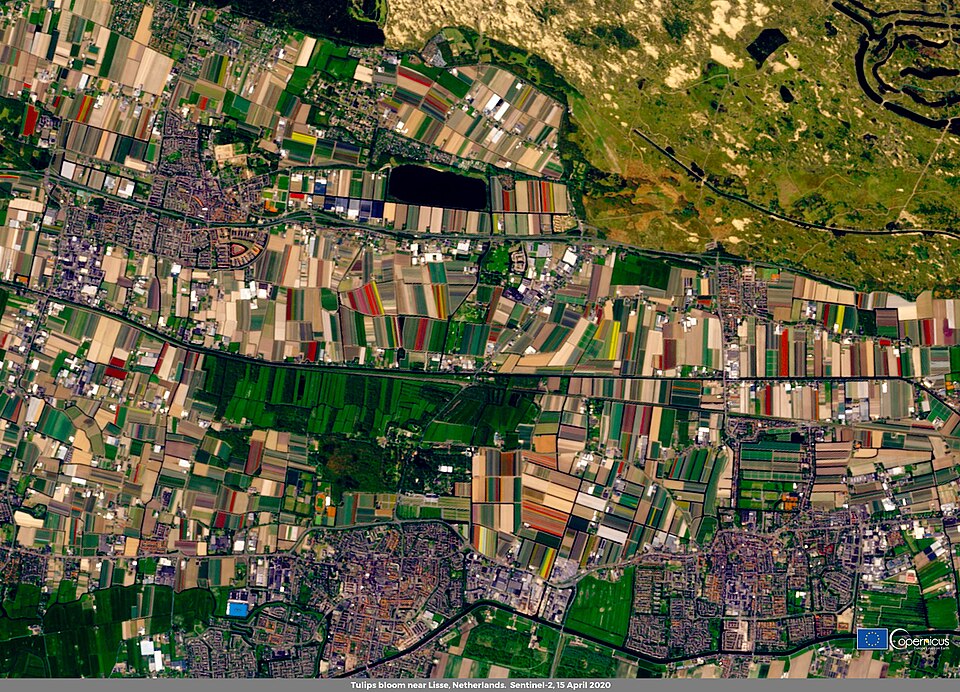
- Tulips Today — Keukenhof, the Bollenstreek, and the Netherlands' four billion bulbs a year.
What this site will not do
Tulip Mania Decoded is general information for curious readers, not advice for any specific purpose — it will not tell you what to believe about a contested event, only what the evidence says and where historians disagree, and it will not tell you how to invest. It recommends no products, carries no affiliate links, and never collects your email address. Prices from the 1630s come from incomplete records, and the guides say so where the figures vary between sources; where historians disagree, the guides name the debate instead of picking a side. The famous story of tulip mania comes mostly from one book, Charles Mackay's Extraordinary Popular Delusions and the Madness of Crowds (1841), and this site says so wherever his account is used.
All dates on this site were checked against the sources named on each page on 29 November 2026. Prices from the 1630s are approximate and vary between sources, and each guide says where the evidence is uncertain or historians disagree.
Sources: This site's facts come from primary and reference sources named on each page: Encyclopaedia Britannica, Wikipedia, the Amsterdam Tulip Museum, Anne Goldgar's Tulipmania (2007), Peter Garber (1990), Earl Thompson (2007), and the Dutch National Archive.