Dutch Golden Age: The Richest Country in Europe
Tulip mania did not happen in a poor country. It happened in the richest country in Europe — the Dutch Republic, in the middle of its Golden Age, when Amsterdam was the centre of world trade, Dutch ships sailed to every continent, and the average Dutch person was richer than anyone else on Earth. The wealth, the trade, and the world's first stock market all helped to make the mania possible. To understand the tulip, you have to understand the country that loved it.
In short
The Dutch Republic (the United Provinces) in the seventeenth century was the richest society in Europe, with the highest per-capita income in the world from about 1600 to 1720. Amsterdam was the centre of world trade, and the Dutch East India Company (VOC, founded 1602) was the world's first publicly traded company, with the Amsterdam Stock Exchange (also 1602) the first stock exchange in the world. A wealthy merchant middle class, a culture of collecting and display, and a financial system that made it easy to buy and sell paper promises — all of these set the stage for the tulip trade, and for the bubble that followed.
The richest country on Earth
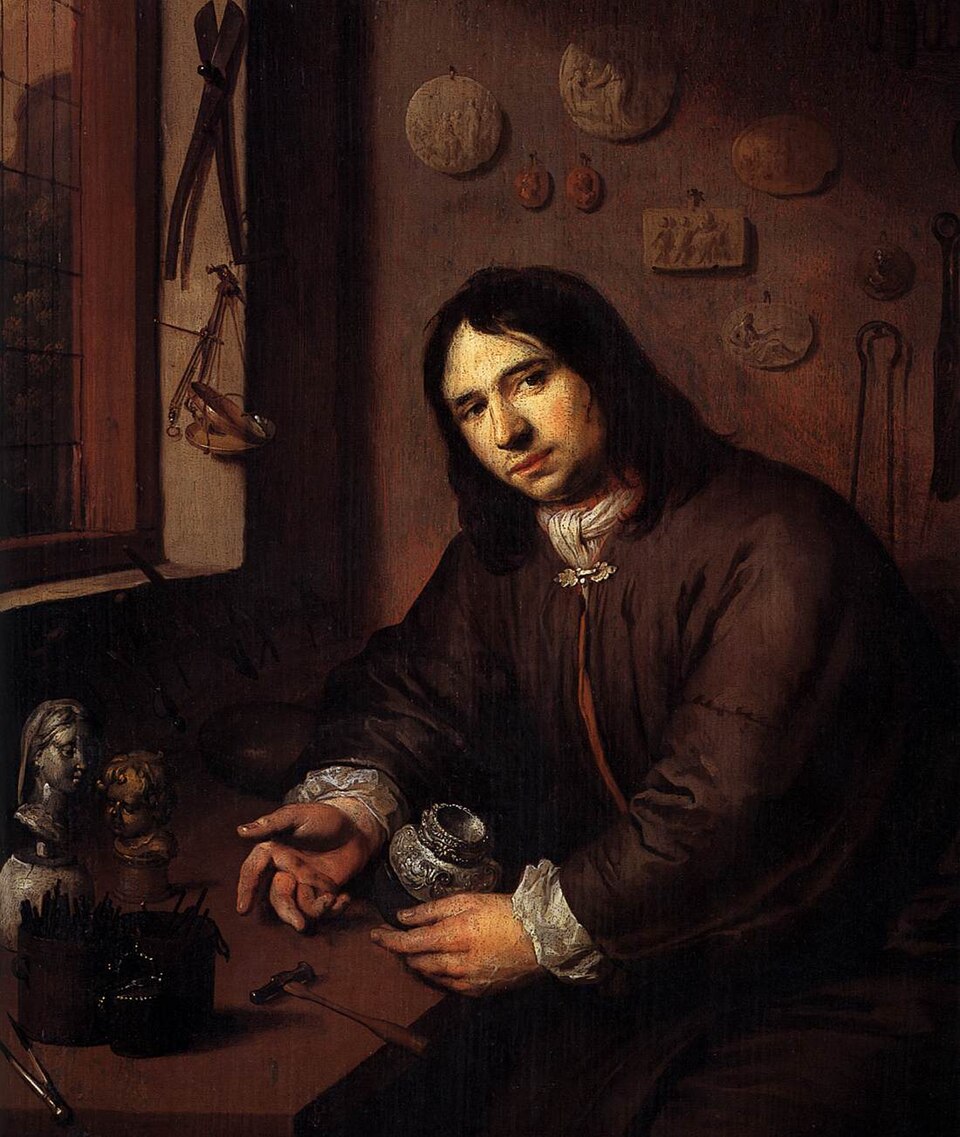
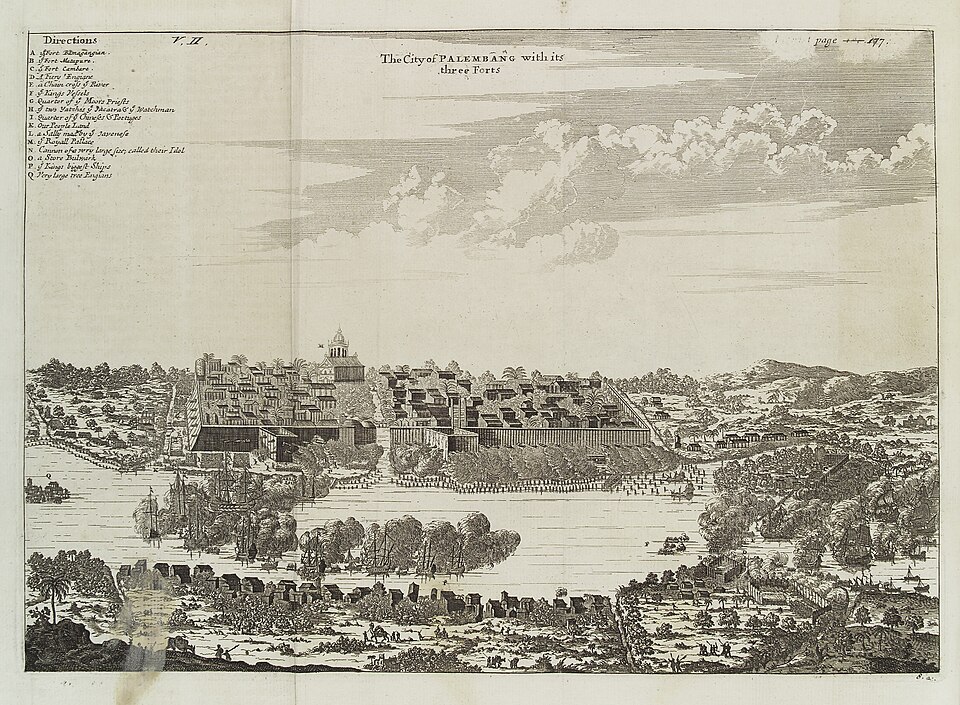
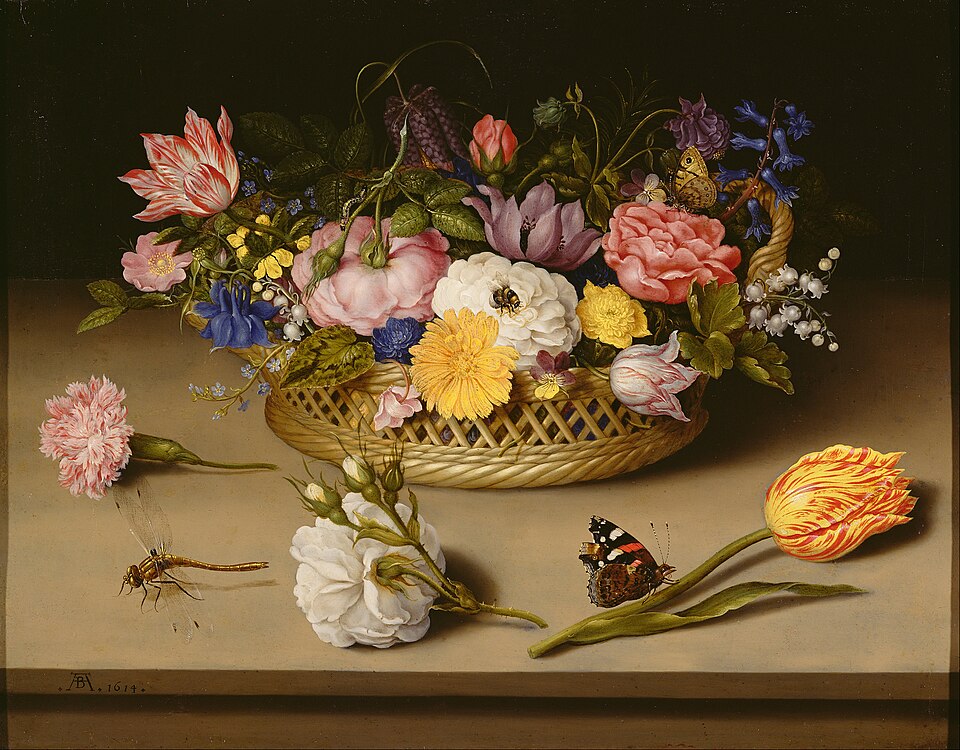
The Dutch Republic was a small country — about two million people, on land won from the sea — and it was, by the standards of the time, astonishingly rich. Its wealth came from trade: Dutch ships carried grain from the Baltic, spices from Asia, sugar from the Caribbean, and cloth, timber, and wine from every corner of Europe. Amsterdam was the great warehouse of the world, where goods from everywhere were stored, bought, and sold. The Dutch also built the best ships, printed the most books, and painted the most pictures of any country in Europe. Rembrandt, Vermeer, and Frans Hals were all working in the 1630s, in the middle of the mania, and their paintings — including the still lifes full of tulips — are a record of the wealth and taste of the time. The Dutch were not just rich. They were rich in a new way: not from land, but from trade, and not in the hands of a king, but in the hands of merchants.
The first stock market
The Dutch also invented the modern financial system. In 1602, the Dutch East India Company (VOC) was founded, and it was the first company in the world to sell shares to the public — anyone with money could buy a piece of the company, and sell it again when they liked. The Amsterdam Stock Exchange, founded in the same year, was the first stock exchange in the world, and it was where those shares were traded. The Dutch invented futures, options, and short-selling, and they learned — sometimes painfully — how markets work. By the 1630s, the Dutch were the most financially sophisticated people in Europe, and they were used to buying and selling things they could not see: shares in ships that were halfway around the world, promises to deliver grain next year, and contracts for goods that did not yet exist. The tulip trade, which was mostly a trade in paper promises, was a natural extension of a system the Dutch had already built.
A culture of collecting
The wealth of the Golden Age produced a culture of collecting and display. A rich Dutch merchant's house was full of things to show off: paintings, porcelain from China, silver, books, and — in the garden — tulips. The tulip was the perfect status symbol for this world: it was rare, beautiful, and hard to grow, and it bloomed for only a few weeks a year, which made it all the more precious. The most prized tulips were painted by the great still-life artists of the time — Ambrosius Bosschaert, Jan Brueghel the Elder, and others — and the paintings themselves became valuable. A merchant who owned a rare tulip, or a painting of one, was showing the world that he had taste, money, and connections. The tulip was not just a flower. It was a way of saying who you were.
A small country, crowded and competitive
Holland was also a small, crowded country, and that mattered. Land was expensive, houses were narrow and tall, and gardens were small — which made a rare tulip, grown in a small garden, all the more precious. The Dutch lived close together, in towns like Amsterdam, Haarlem, Leiden, and Alkmaar, and news travelled fast. When the price of a tulip rose in one town, everyone heard about it in the next. The tulip trade was a social trade, conducted in taverns and clubs, among men who knew each other, competed with each other, and wanted to outdo each other. It was a small world, and in a small world, a fashion can become a frenzy very quickly. The mania was not just about money. It was about status, rivalry, and the desire to own something no one else could have.
| Fact | Detail |
|---|---|
| Population | About 2 million people in the Dutch Republic |
| Wealth | Highest per-capita income in the world, c. 1600–1720 |
| VOC founded | 1602 — the world's first publicly traded company |
| Amsterdam Stock Exchange | 1602 — the world's first stock exchange |
| Artists at work | Rembrandt, Vermeer, Frans Hals — all painting in the 1630s |
Sources: Wikipedia, “Tulip mania” and “Dutch Golden Age”; Encyclopaedia Britannica, “Tulip Mania”; Amsterdam Tulip Museum, “Holland and Tulipmania”; Anne Goldgar, “Tulipmania” (2007). Checked 29 November 2026.