The Tulip Arrives in Europe: From Central Asia to the Gardens of Leiden
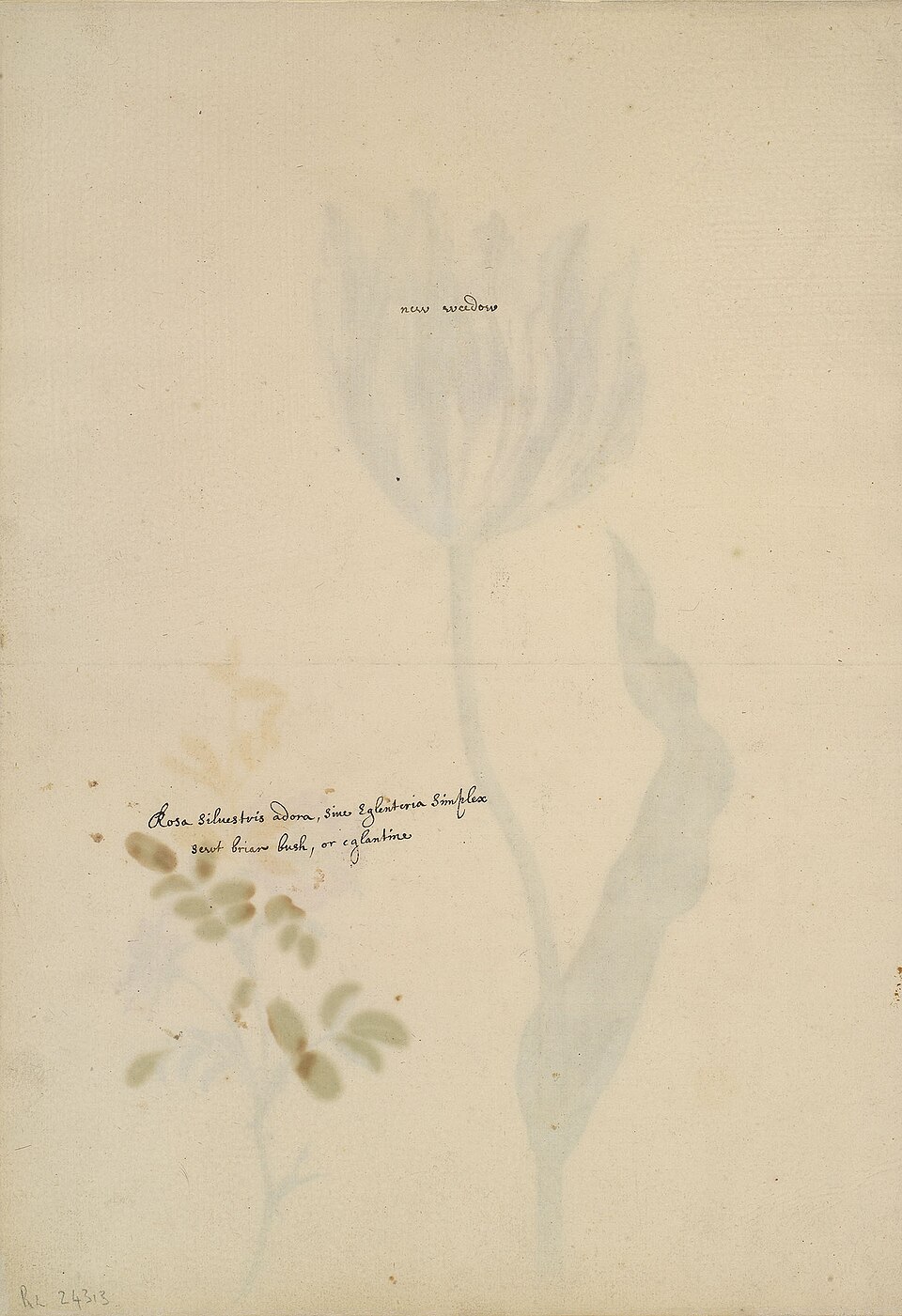
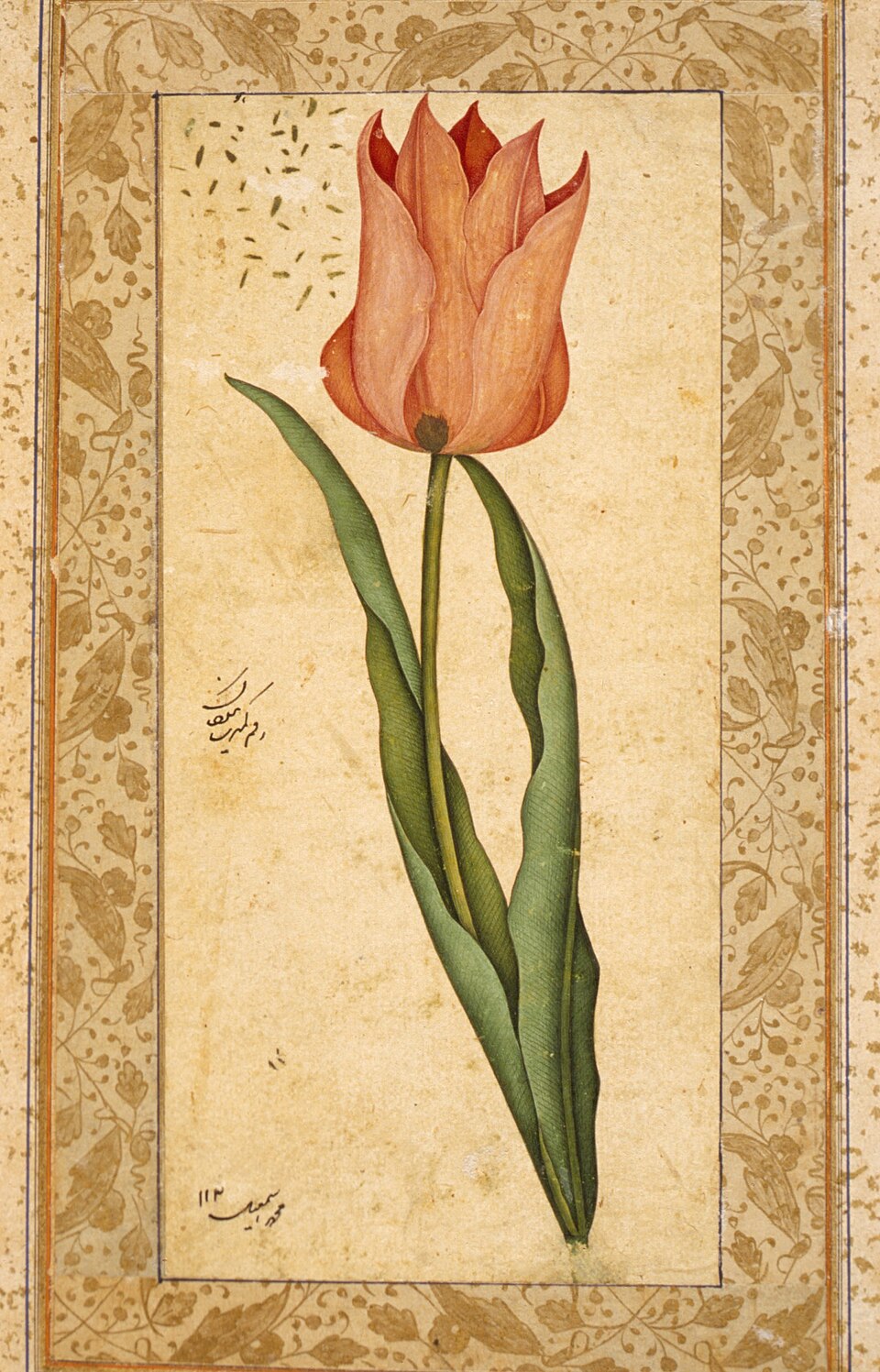
The tulip is not a European flower. It comes from the mountains of Central Asia — the Tian Shan and Pamir ranges, in what is now Kazakhstan, Kyrgyzstan, and Tajikistan — where wild tulips still grow on rocky slopes. From there it travelled west, along the trade routes, to Persia and Turkey, where it became the most prized flower in the Ottoman Empire. And from Turkey it came to Europe, in the luggage of an ambassador, in 1554 — a flower that would, eighty years later, cost more than a house.
In short
Wild tulips grow in the mountains of Central Asia. They were cultivated in the Ottoman Empire, where the flower was a symbol of perfection and abundance, and its name — from the Turkish word for turban, "dulband" — recalled the flower's shape. In 1554, Ogier de Busbecq, the ambassador of the Holy Roman Emperor to Sultan Suleiman the Magnificent, sent the first tulip bulbs and seeds from Constantinople to Vienna. The Flemish botanist Carolus Clusius planted them at Leiden University's botanical garden from 1593, and his garden was raided in 1596 and 1598 — the stolen bulbs spread into private hands, and the Dutch tulip trade began.
A flower from the mountains
The tulip's journey began in the high mountains of Central Asia, where species like Tulipa gesneriana — the ancestor of most garden tulips — grow wild on dry, rocky slopes. The flower travelled west with traders and nomads, and by the tenth century it was being cultivated in Persia, where it was prized for its colour and shape. From Persia it reached the Ottoman Empire, where it became an obsession. The sultans of Constantinople kept great tulip gardens, and the flower became a symbol of the empire itself: it appeared on tiles, on textiles, on pottery, and in poetry. The Ottoman "Tulip Era" (Lale Devri) of the early eighteenth century is named for the flower, and at its height a single rare bulb could cost a fortune — a warning, perhaps, of what was to come in Holland. The tulip's name comes from the Turkish "dulband", meaning turban, because the flower's shape reminded Europeans of the turbans worn by Ottoman men.
Busbecq and the first bulbs
The tulip reached Europe through diplomacy. Ogier de Busbecq was a Flemish nobleman serving as ambassador of the Holy Roman Emperor Ferdinand I to the court of Sultan Suleiman the Magnificent in Constantinople. In his letters home, Busbecq wrote about the flowers he saw in Turkish gardens, and in 1554 he sent the first tulip bulbs and seeds to Vienna, to the gardens of the emperor. From Vienna the bulbs were distributed to Augsburg, Antwerp, and Amsterdam, and by the end of the sixteenth century the tulip was being grown in gardens across northern Europe. It was, at first, a flower for scholars and collectors — a curiosity, not a commodity. That changed in the Netherlands, where a botanist named Carolus Clusius turned the tulip into something more.
Clusius and the stolen bulbs
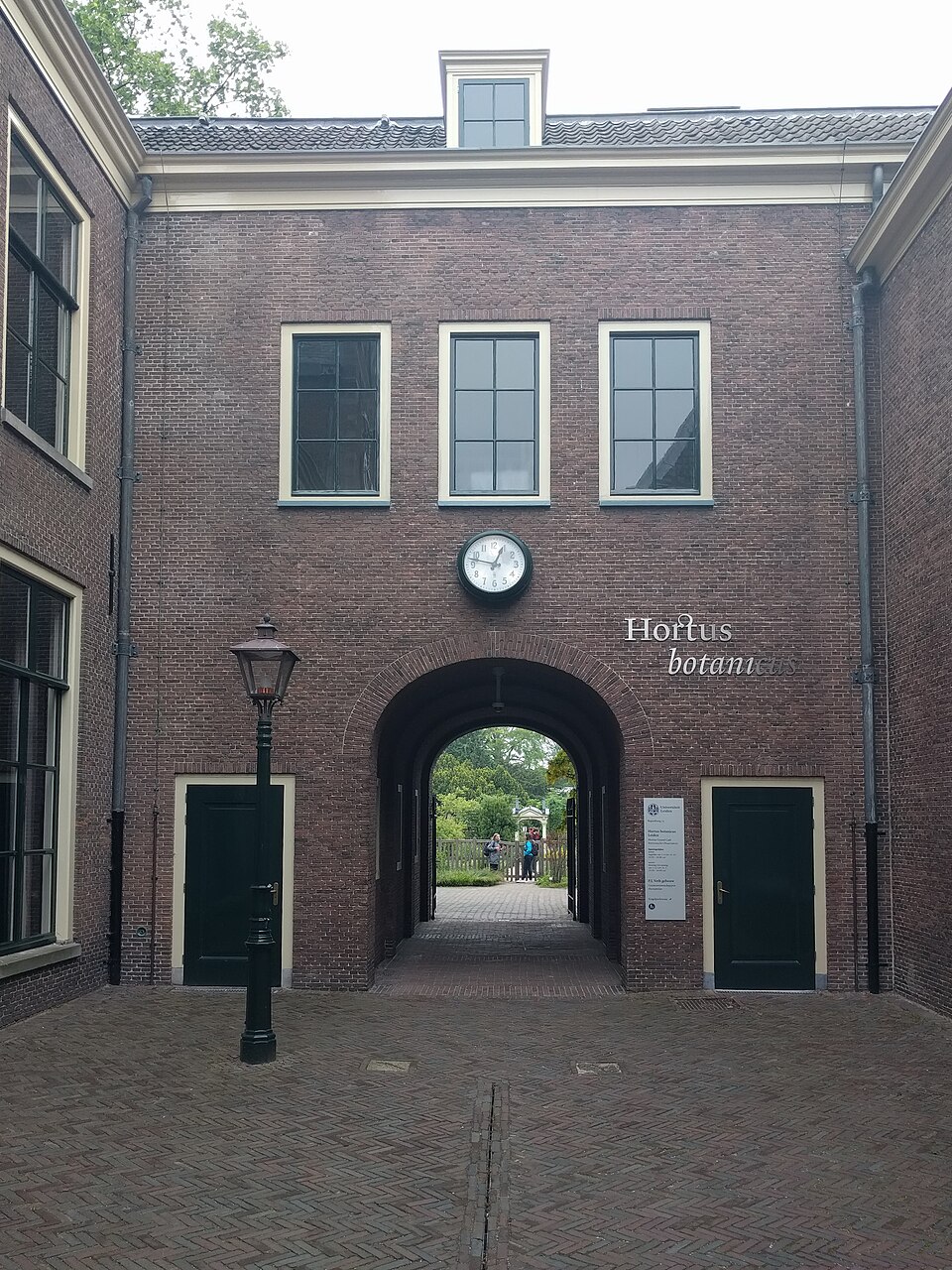
Carolus Clusius (Charles de l'Ecluse) was a Flemish botanist, one of the most famous plant scientists of his age, and in 1593 he became the director of the new botanical garden — the Hortus Botanicus — at Leiden University. He planted tulips there, studied them, and wrote about them, and his garden became famous. The tulips were so prized that in 1596, and again in 1598, thieves broke into the garden and stole bulbs. Clusius was furious — he wrote that the thieves had taken years of his work — but the thefts had an unexpected result: the stolen bulbs spread into private hands, and the tulip trade in the Netherlands began. The thieves, in a sense, founded the market. Within a few years, tulips were being grown in gardens across Holland, and the rarest varieties were being bought and sold for high prices. The flower that had been a scholar's curiosity was becoming a luxury good — and, within a generation, a speculative asset.
Why the tulip, and why Holland?
It is worth asking why the tulip, of all flowers, became the object of a mania. Part of the answer is the flower itself: the tulip is beautiful, it comes in many colours, and it blooms in spring, when the Dutch winter is ending and people are ready for colour. Part of the answer is the "broken" tulip — the streaked, flamed varieties that were the most prized of all, and that, as we will see, were the product of a virus no one understood. And part of the answer is Holland itself: a small, rich, crowded country, where land was expensive, gardens were a status symbol, and a merchant class with money to spend was looking for something to collect. The tulip was rare, beautiful, hard to grow, and easy to show off. It was, in short, the perfect luxury good for a society that had just become rich — and the perfect object for a bubble.
| Date | What happened |
|---|---|
| Before 1000 | Wild tulips cultivated in Persia; the flower spreads to the Ottoman Empire |
| 1554 | Ogier de Busbecq sends the first tulip bulbs from Constantinople to Vienna |
| 1593 | Carolus Clusius plants tulips at Leiden University's Hortus Botanicus |
| 1596, 1598 | Thieves raid Clusius's garden; stolen bulbs spread into private hands |
| Early 1600s | Tulips grown in gardens across Holland; rare varieties traded for high prices |
Sources: Encyclopaedia Britannica, “Tulip Mania: How a Plant Virus Fueled a Speculative Frenzy”; Wikipedia, “Tulip mania”; Amsterdam Tulip Museum, “Holland and Tulipmania”; Anne Goldgar, “Tulipmania” (2007). Checked 29 November 2026.