The Winter of 1637: The Peak of the Mania
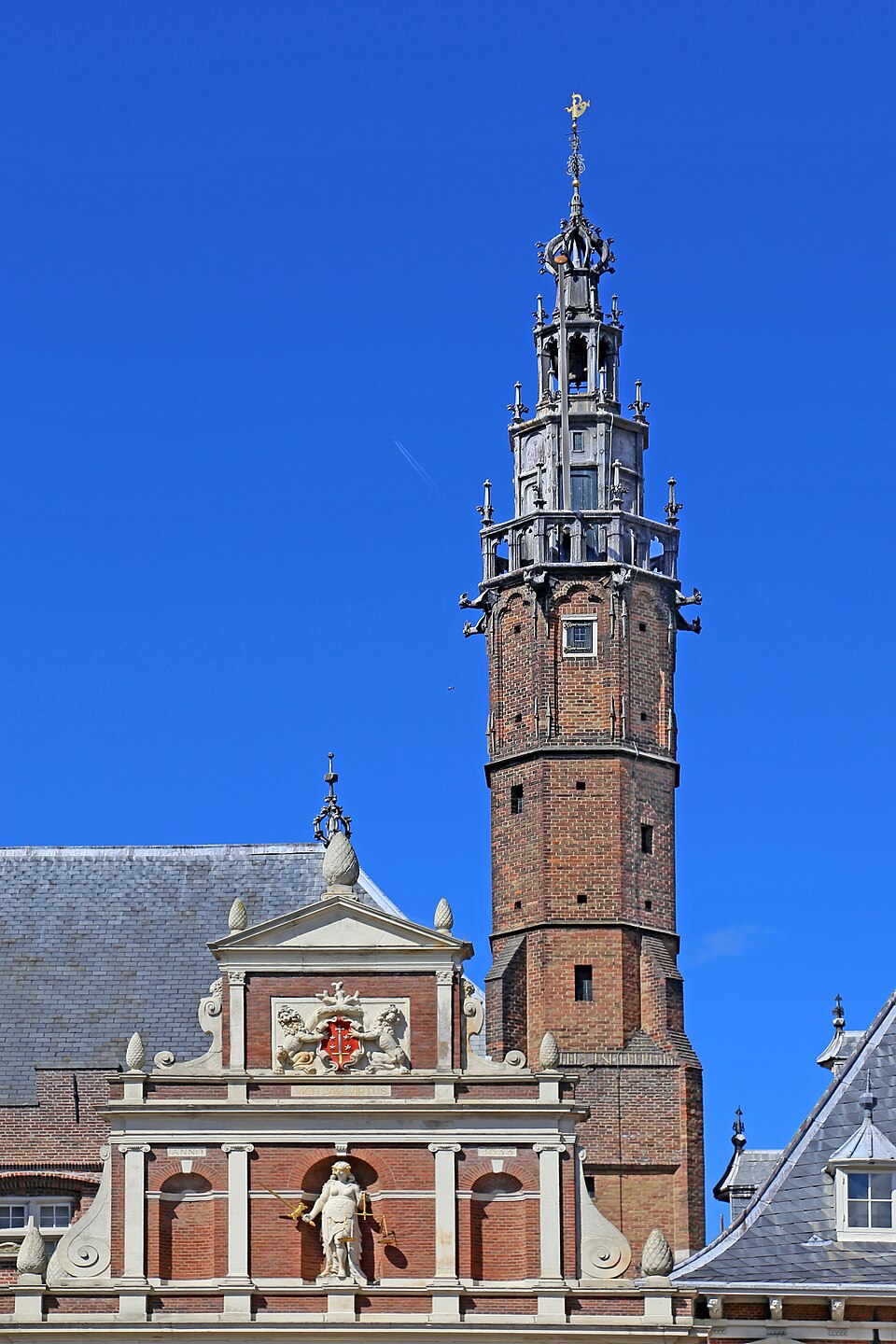
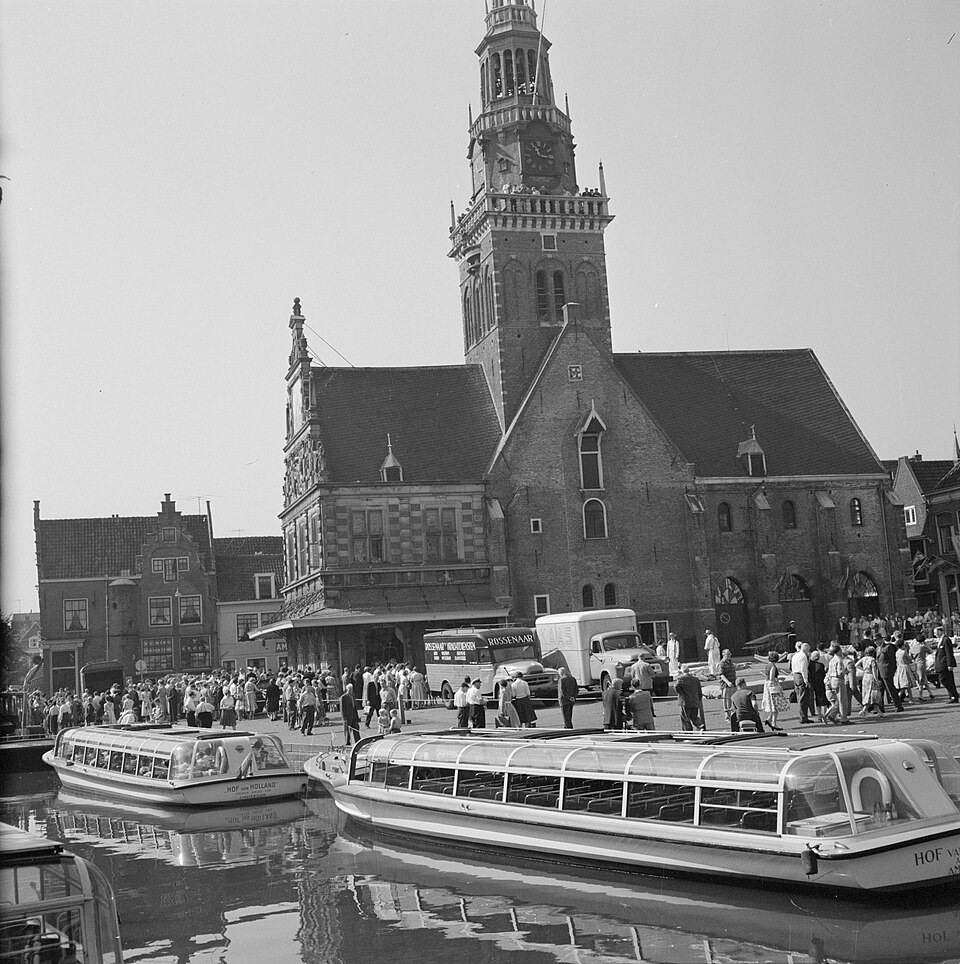
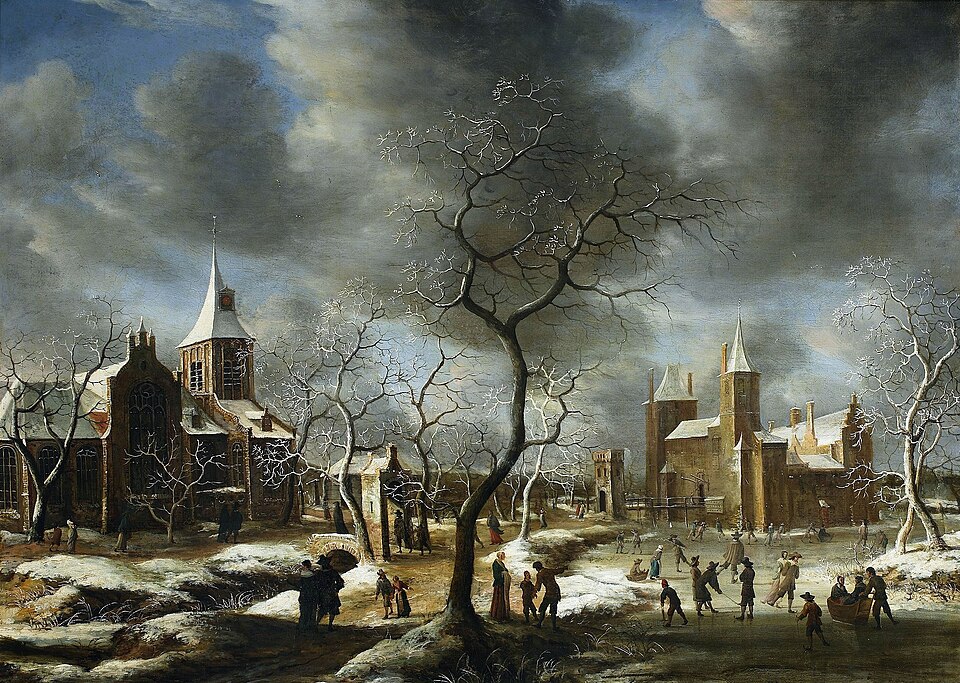
The winter of 1636–37 was the peak of tulip mania. Prices had been rising for three years, and in the winter they rose faster than ever. Ordinary people were buying contracts for bulbs they had never seen, and the taverns of Haarlem, Amsterdam, and Alkmaar were crowded with traders. On 5 February 1637, an auction was held in Alkmaar to sell the tulip collection of a dead innkeeper, for the benefit of his orphaned children — and the prices it fetched were the highest ever recorded. It was the top of the market. Within days, the market had collapsed.
In short
The mania peaked in the winter of 1636–37, when prices rose fastest and the trade spread furthest beyond wealthy collectors. The most famous event of the winter was the auction at Alkmaar on 5 February 1637, held to sell the tulip collection of Wouter Bartelmiesz, a deceased innkeeper, for the benefit of his orphaned children. The average price per bulb at Alkmaar would have employed a master carpenter for two years, and the rarest bulbs fetched far more. The auction is often cited as the peak of the mania — and it was, almost to the day. Within a week, the market had begun to collapse, starting at a tavern auction in Haarlem where a lot of bulbs found no buyers at any price.
The Alkmaar auction
The Alkmaar auction is the best-documented event of the mania, and it is worth describing in detail, because it shows what the market really looked like at its peak. Wouter Bartelmiesz was an innkeeper and tulip trader in Alkmaar who had died leaving a collection of tulips and a family of orphaned children. On 5 February 1637, his collection was auctioned to pay for the children's care, and the sale was recorded in detail — the variety, the weight, and the price of every bulb. The results were extraordinary: the average price per bulb was high enough to employ a master carpenter for two years, and the most valuable bulbs sold for thousands of guilders. The auction was not a sign of madness. It was a sale of a real collection, of real bulbs, to real buyers, at prices that reflected the scarcity of the varieties. But it was also the top of the market. The prices at Alkmaar were the highest ever recorded, and they were never reached again.
The taverns in the winter
While the Alkmaar auction was being held, the colleges were meeting in taverns across Holland, and the trade was at its most feverish. The winter was the season for the paper trade — the bulbs were in the ground, and all that could be bought and sold were contracts — and the contracts were changing hands faster than ever. A bulb bought in the morning could be sold for more in the afternoon, and the men in the taverns were making money without ever seeing a flower. The trade had spread beyond the collectors and the merchants, and ordinary people were joining in: craftsmen, weavers, and shopkeepers who had heard that tulips were the way to get rich. The taverns were crowded, the drink was flowing, and the prices were rising. It was, in the words of one historian, a party — and like all parties, it ended suddenly.
The signs of strain
Even before the crash, there were signs that the market was strained. The prices of the rarest bulbs had risen so high that few people could afford them, and the trade was increasingly in contracts for ordinary bulbs, at prices that bore no relation to the value of the flower. The colleges were full of men who had bought contracts they could not pay for, and who were counting on selling them on before the delivery date. The supply of broken tulips was also growing: growers had learned to produce more of them, and the scarcity that had driven the prices up was beginning to ease. And there was a deeper problem: the winter of 1636–37 was also a winter of plague. The bubonic plague, which had returned to Holland in 1635, was killing people in Amsterdam and Haarlem, and the fear of the plague was in the air. Some historians argue that the plague helped to cause the crash — that men who were afraid of dying stopped buying flowers. It is a theory, not a fact, but it is a reminder that the mania did not happen in a vacuum. It happened in a country that was rich, crowded, and afraid.
The top of the market
The winter of 1637 was the top of the market, and it is worth remembering what the top looked like. It did not look like madness. It looked like a market: real bulbs, real buyers, real prices, recorded in detail at Alkmaar, and real contracts, traded in taverns, by men who believed the price would keep rising. The men were not fools. They were traders in the richest country in Europe, in the world's first futures market, buying an asset that was genuinely scarce and genuinely beautiful. They were wrong about the price — but they were not wrong about the flower, and they were not wrong to believe that the market would go on. The crash, when it came, was not caused by the men in the taverns suddenly becoming sane. It was caused by the market running out of buyers, and by a single auction, in Haarlem, where no one would bid.
| Date | What happened |
|---|---|
| Autumn 1636 | Prices rise sharply; ordinary people join the trade |
| Winter 1636–37 | Paper contracts traded feverishly in taverns across Holland |
| 5 Feb 1637 | Alkmaar auction: Wouter Bartelmiesz's collection sold for orphans |
| Early Feb 1637 | First signs of strain: no buyers at a Haarlem tavern auction |
Sources: Wikipedia, “Tulip mania”; Amsterdam Tulip Museum, “Holland and Tulipmania”; Anne Goldgar, “Tulipmania” (2007); Peter Garber, “Famous First Bubbles” (1990). Checked 29 November 2026.