The Crash: The Day No One Would Buy
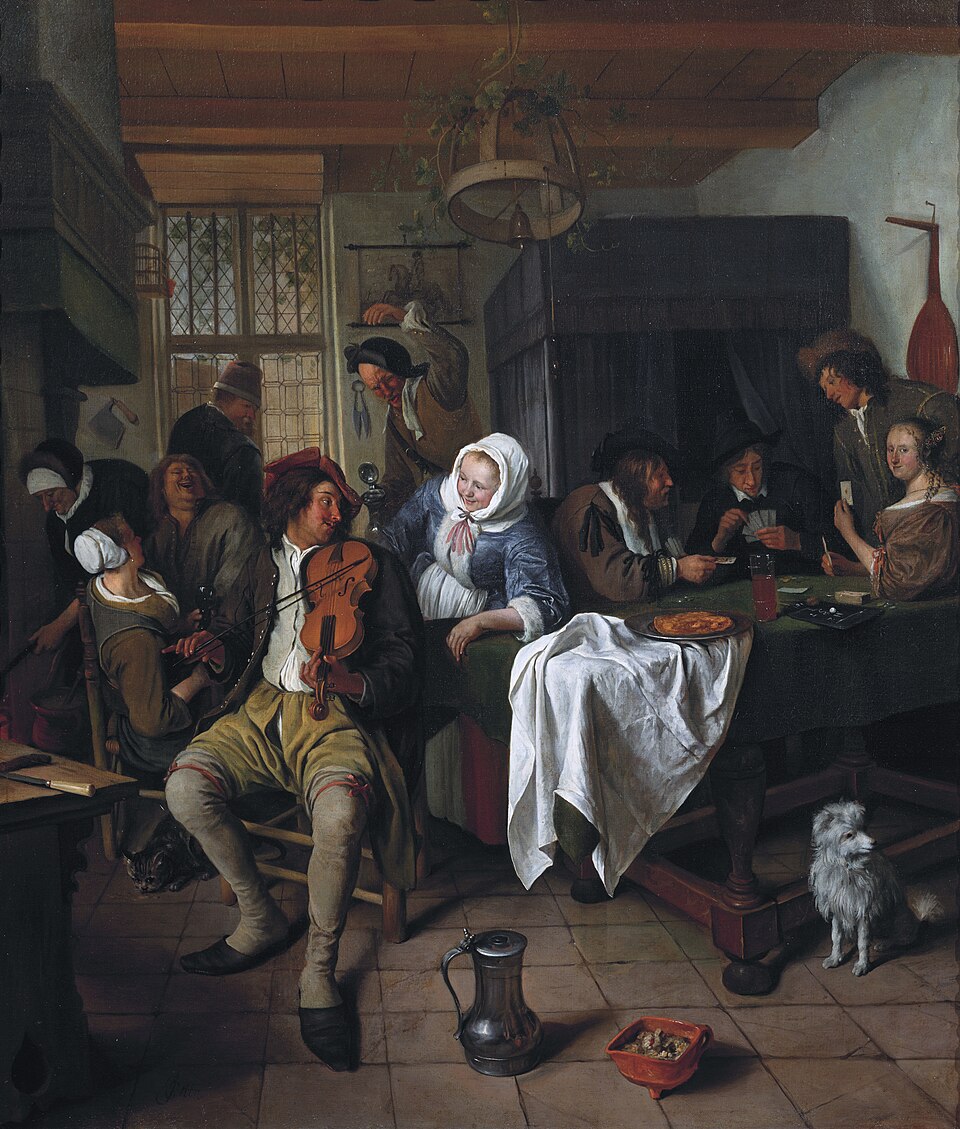

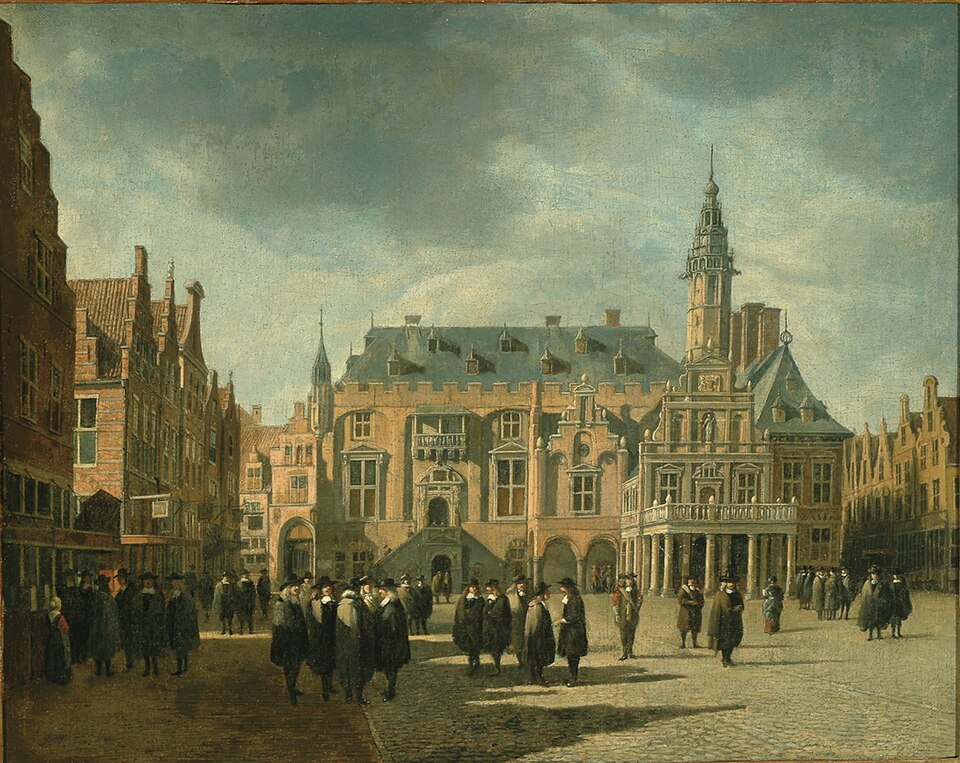
The crash began, as crashes often do, with nothing. One day in early February 1637, at a tavern in Haarlem, a florist offered some bulbs for sale at a reasonable price. There were no takers. He lowered the price. Still no takers. He lowered it again, and still no one would buy. Within days, the news had spread across Holland, and the tulip market — which had risen for a decade — had collapsed. Prices fell by ninety per cent in a few weeks, and the men who had bought contracts they could not pay for were left with nothing but paper.
In short
In early February 1637, at a tavern auction in Haarlem, a lot of tulip bulbs found no buyers even at a reduced price. Within days, the market collapsed across the Dutch Republic: sellers far outnumbered buyers, and prices fell by about 90–95% in a matter of weeks. In mid-February the tulip trade was suspended, and by June 1637 the courts were refusing to hear most tulip cases. The States of Holland debated whether to force buyers to honour their contracts, and in 1638 a settlement allowed buyers to void their contracts by paying 3.5% to 10% of the agreed price. The crash was sudden, but it was not the end of the Dutch economy — and, as the next chapter explains, it was not as destructive as the famous story claims.
The day the market stopped
The story of the Haarlem auction is told in every account of tulip mania, and it is worth telling carefully, because it is the heart of the story. A florist — his name is not recorded — offered a lot of bulbs at a tavern auction in Haarlem, at a price that, a week earlier, would have been thought cheap. No one bid. He lowered the price, and still no one bid. He lowered it again, and the room stayed silent. The auctioneer closed the sale, and the men went home. The next day, the story was all over Haarlem, and within a week it was all over Holland. The market had stopped. It was not that prices had fallen. It was that there were no buyers at any price — and a market with no buyers is not a market at all. The tulip trade, which had been a trade in paper promises, discovered that the promises were only as good as the belief behind them, and the belief had gone.
Why it collapsed so fast
The crash was so fast because the market was so fragile. The tulip trade was a trade in contracts, not in bulbs, and the contracts were promises to pay a price in the future for a bulb that was still in the ground. A buyer who had signed a contract in January, promising to pay 1,000 guilders in June, had only put down 25 guilders. If the price fell, he could walk away — and lose only his deposit. But if everyone walked away at once, the sellers were left with contracts no one would honour, and bulbs no one would buy. The market collapsed because it was built on leverage and on belief, and when the belief went, the leverage worked in reverse. The same mechanism — a market built on paper, on small deposits, and on the belief that prices will rise — has caused every financial crash since, from the South Sea Bubble to the housing crash of 2008. The tulip crash was the first, and it was the fastest, because the market was the smallest.
What happened next
After the crash, the Dutch authorities did not know what to do. The tulip traders asked the States of Holland — the provincial government — to force buyers to honour their contracts, and the States debated the question for months. In the end, they refused to intervene directly, and left the matter to the towns and the courts. The courts, faced with hundreds of cases, refused to hear most of them, and in 1638 a settlement was reached: buyers could void their contracts by paying a small percentage of the agreed price — between 3.5% and 10%, depending on the town. It was a compromise that left no one happy, and it meant that many sellers received only a fraction of what they had been promised. But it also meant that the crash did not destroy the traders: most of them lost money, but few of them were ruined, and the Dutch economy — which was built on trade in grain, spices, and cloth, not on tulips — carried on as before. The tulip crash was a shock, but it was not a catastrophe. The famous story says otherwise, and the next chapter explains why.
The human cost
What did the crash cost the people who were caught in it? The famous story — from Mackay's book — says that families were ruined, that men lost their houses and their fortunes, and that Dutch commerce suffered a severe shock. The modern evidence says something different: that the crash hit a small circle of traders, that few bankruptcies are recorded, and that the Dutch economy kept growing. The truth is probably in between. Some men did lose money — a lot of money — and some of them were ruined. But the tulip trade was a small part of the Dutch economy, and the men who traded in it were, for the most part, men who could afford to lose. The crash was a disaster for the traders who had borrowed to buy contracts, and a shock for the towns where the trade was centred. But it was not a national disaster, and it did not cause a depression. The Netherlands went on being the richest country in Europe, and the tulip went on being grown — at sensible prices — for the next four hundred years.
| Date | What happened |
|---|---|
| Early Feb 1637 | Haarlem tavern auction: bulbs find no buyers at any price |
| Feb 1637 | Market collapses across Holland; prices fall ~90–95% in weeks |
| Mid-Feb 1637 | Tulip trade suspended |
| Apr–May 1637 | States of Holland debate intervention; no bailout ordered |
| Jun 1637 | Courts refuse to hear most tulip cases |
| 1638 | Settlement: buyers may void contracts by paying 3.5–10% of the price |
Sources: Wikipedia, “Tulip mania”; Amsterdam Tulip Museum, “Holland and Tulipmania”; Anne Goldgar, “Tulipmania” (2007); Peter Garber, “Famous First Bubbles” (1990). Checked 29 November 2026.