Prices and Speculation: What Bulbs Really Cost
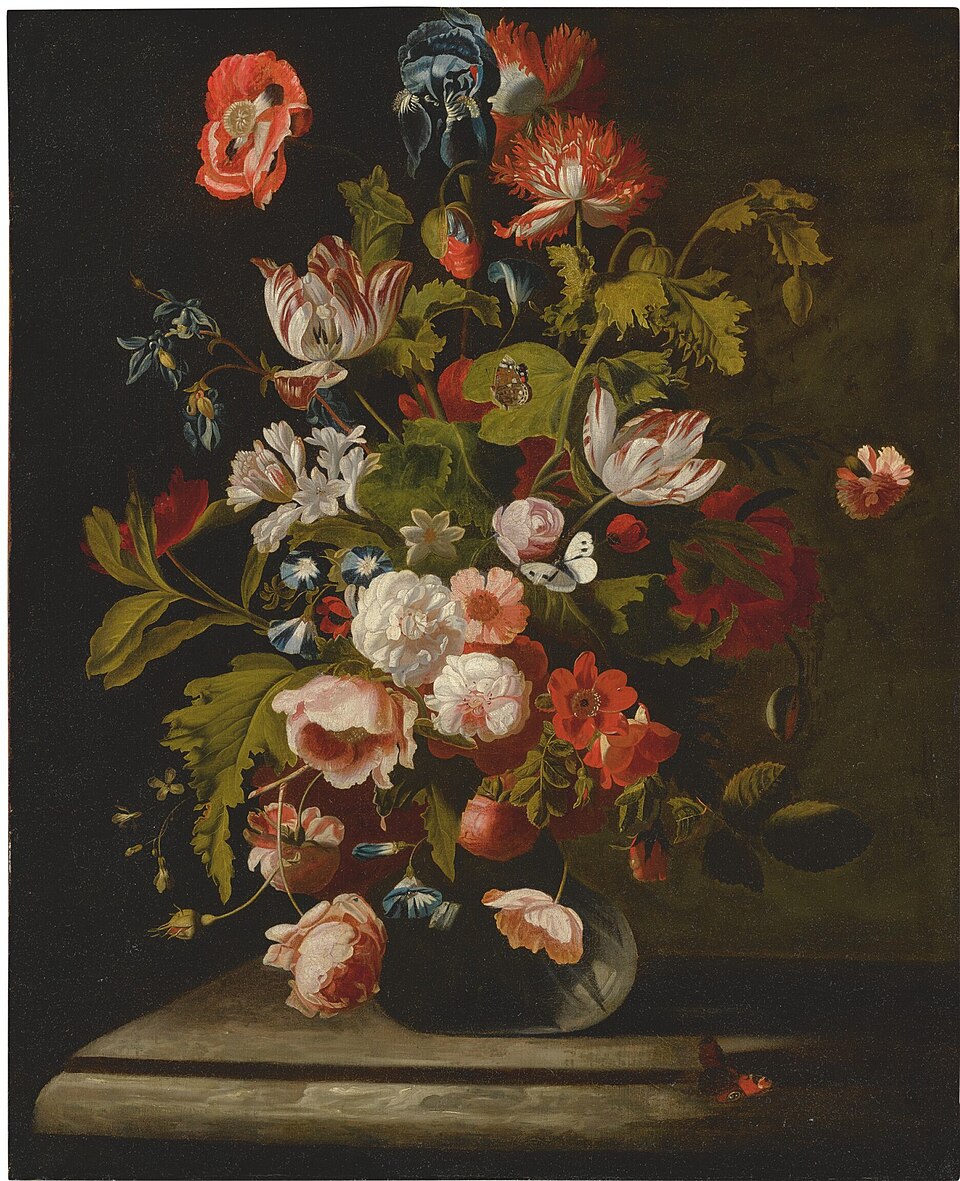

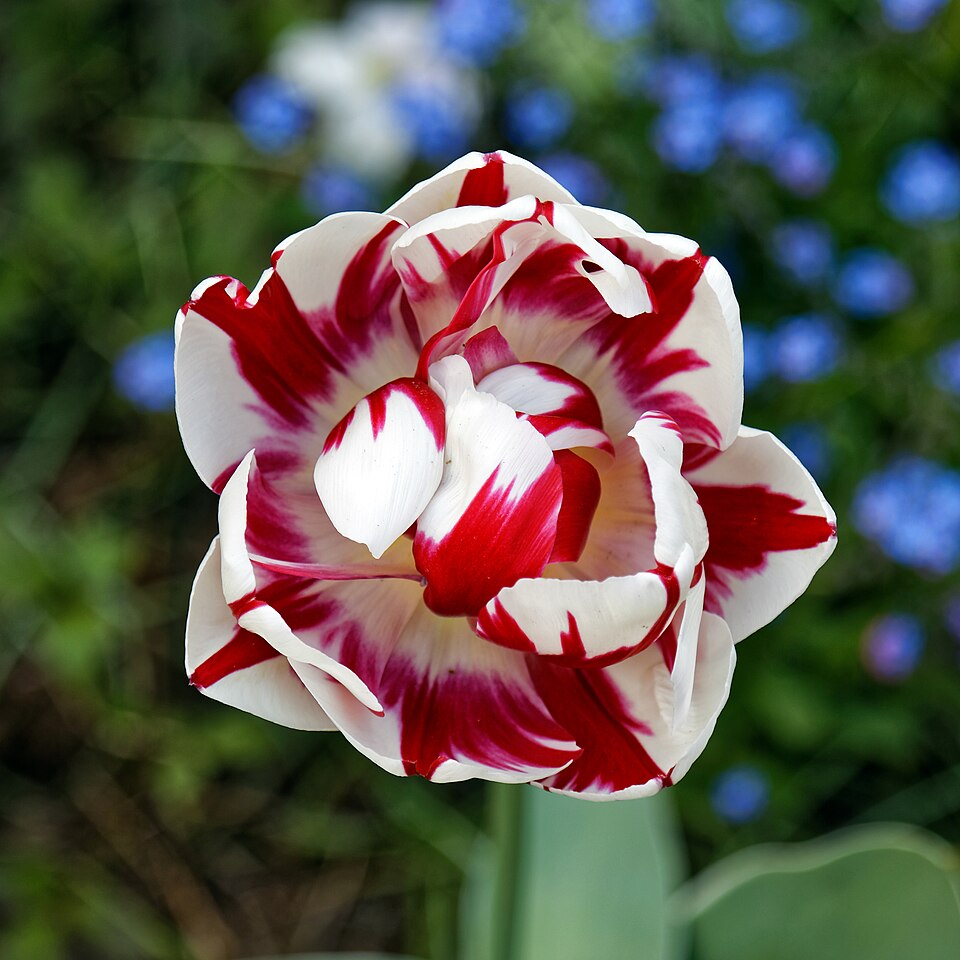
How much did a tulip cost? The answer depends on which tulip, and when. A common bulb cost a few stuivers — the price of a loaf of bread. A rare broken tulip cost thousands of guilders — the price of a house. And in the winter of 1636–37, the prices of even ordinary bulbs rose so fast that a bulb bought in the morning could be sold for twice as much in the afternoon. The prices are the most famous fact of tulip mania, and also the most misunderstood. This chapter sets out what bulbs really cost, who was buying them, and why the prices rose.
In short
Prices rose steadily through the 1620s, accelerated from 1634, and peaked in the winter of 1636–37. A skilled craftsman earned about 300 guilders a year. A common tulip bulb cost a few stuivers. A prized variety like the Viceroi sold for 2,500 guilders in 1625 and 4,203 guilders in 1637; the Admiral van Enkhuizen for 5,200 guilders in 1637; the Semper Augustus for 3,000 to 6,000 guilders. At the peak, in February 1637, some bulbs sold for more than ten times a craftsman's annual income. But these were the prices of the rarest varieties, not of ordinary tulips, and most of the trade was in contracts, not in bulbs. The prices are real, but they are not the whole story — and the figures vary between sources, because the records of the 1630s are incomplete.
The price ladder
The tulip market had a ladder of prices, and it is important to understand the rungs. At the bottom were the common tulips — the solid-coloured varieties that anyone could grow — which cost a few stuivers, the price of a loaf of bread. In the middle were the good varieties, the named cultivars that collectors wanted, which cost tens or hundreds of guilders. At the top were the broken tulips — the Semper Augustus, the Viceroi, the Admiral van Enkhuizen — which cost thousands of guilders, and which only a handful of people could afford. The mania is famous for the top of the ladder, but most of the trade was in the middle: ordinary people buying contracts for ordinary bulbs, in the hope that the price would rise. When the crash came, it was the middle of the ladder that collapsed — and it was the ordinary people who were left holding contracts they could not pay for.
Why prices rose
Prices rose for three reasons, and only one of them was speculation. The first reason was real scarcity: the broken tulips were genuinely rare, because the virus made them hard to propagate, and demand was growing as more people became rich enough to collect them. The second reason was the futures market: because bulbs could only be traded in summer, the winter trade was in paper contracts, and the contracts could be bought and sold many times over, with only a small deposit. A trader could control a bulb worth 1,000 guilders with a deposit of 25 guilders, and if the price rose by 10%, he had doubled his money. The third reason was the simplest: prices were rising, so people bought because prices were rising. It is the oldest pattern in finance, and it is the pattern of every bubble. The tulip was not the first asset to rise because it was rising, and it was not the last.
Who was buying?
The early buyers were the rich: merchants, collectors, and growers who knew the flower and wanted the rarest varieties. But by 1636, the buyers had changed. The trade had spread to ordinary people — craftsmen, shopkeepers, weavers, and small traders — who had heard that tulips were making money, and who wanted a share. The colleges welcomed them, because more buyers meant higher prices, and the taverns where the colleges met were full of men who had never grown a tulip in their lives. The famous stories of the mania — the weaver who traded his loom for a bulb, the sailor who ate a bulb thinking it was an onion — come from this period, and most of them are inventions, or at least exaggerations, from Mackay's book. But the underlying fact is true: by the winter of 1636–37, the tulip trade was no longer a trade among collectors. It was a speculation, and it had drawn in people who could not afford to lose.
The numbers, and their limits
It is important to be honest about the numbers. The records of the tulip trade are incomplete, and the figures quoted in this chapter come from a handful of sources — the Alkmaar auction records, the price lists in the tulip books, and the accounts of historians like Peter Garber (1990) and Earl Thompson (2007), who reconstructed the prices from the surviving documents. The figures vary between sources, and some of the most famous figures — the 12,000 guilders for a Semper Augustus in 1623, the house traded for a bulb — are disputed, and may be exaggerations. This site gives the range, and says where the figures are disputed. What is not disputed is the pattern: prices rose steadily for a decade, accelerated sharply in 1634–36, and peaked in the winter of 1636–37, at levels that were, by any measure, extraordinary. A flower bulb that cost more than a house is extraordinary, whatever the exact figure.
| What it bought | Approximate price, 1636–37 | Comparison |
|---|---|---|
| A common tulip bulb | A few stuivers | A loaf of bread |
| A good named variety | Tens to hundreds of guilders | A month's wages or more |
| A Viceroi bulb | 4,203 guilders | A small house in Amsterdam |
| An Admiral van Enkhuizen bulb | 5,200 guilders | A grand house |
| A Semper Augustus bulb | Up to 5,500–6,000 guilders | A grand canal house |
| A skilled craftsman's year | About 300 guilders | — |
Sources: Wikipedia, “Tulip mania”; Peter Garber, “Famous First Bubbles” (1990); Earl Thompson, “The Tulipmania: Fact or Artifact?” (2007); Amsterdam Tulip Museum, “Holland and Tulipmania”; Anne Goldgar, “Tulipmania” (2007). Checked 29 November 2026.