Tulips Today: Keukenhof, the Bollenstreek, and Four Billion Bulbs a Year
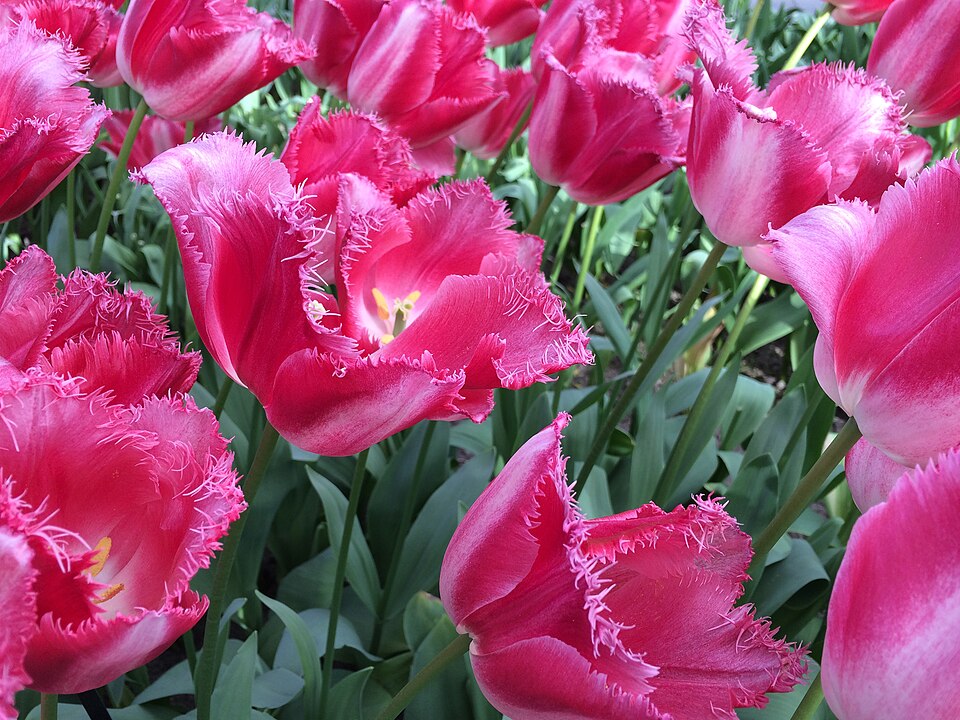
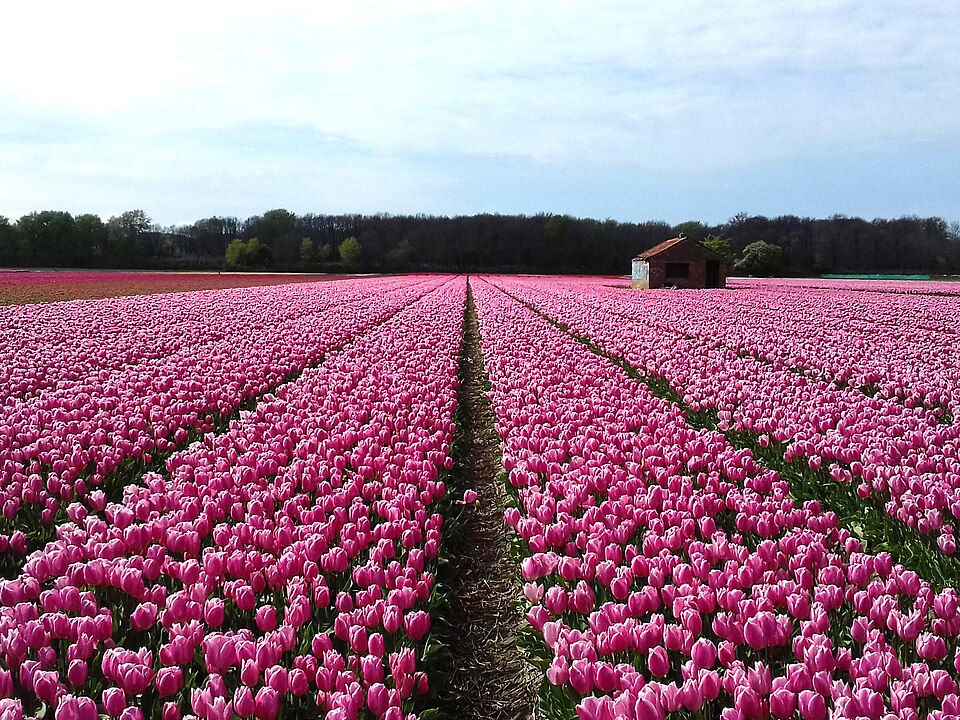
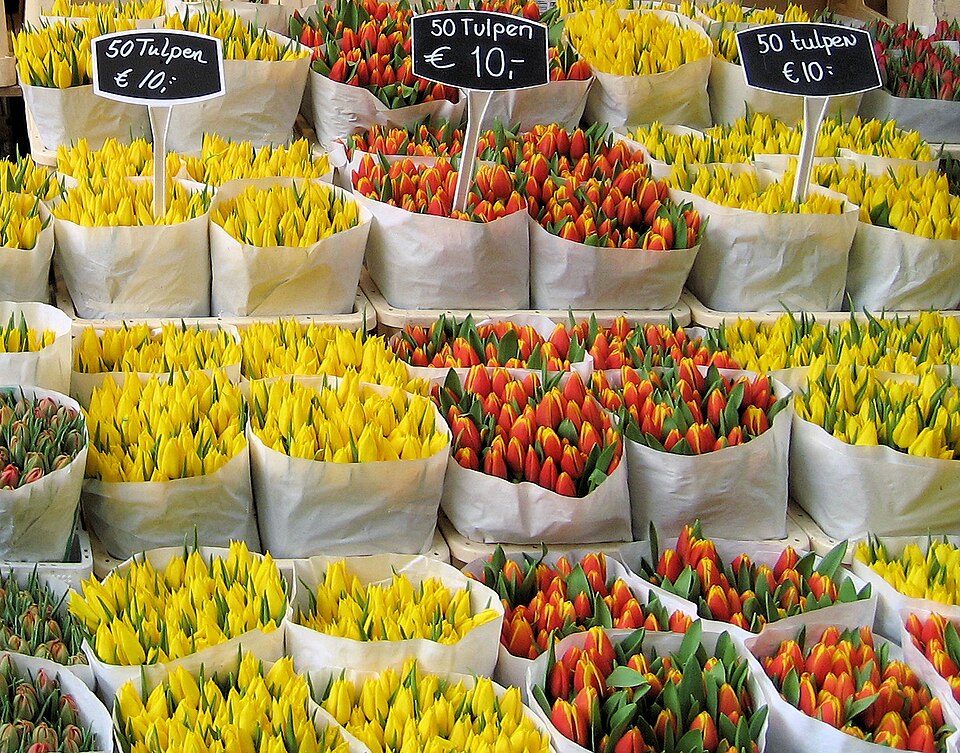
Four hundred years after the mania, the Netherlands is still the tulip capital of the world — but the trade is very different now. The bulbs are grown in vast fields, sold by the billion, and exported to every country on Earth. The Keukenhof gardens draw more than a million visitors a year, and the flower parade winds through the Bollenstreek in spring. The tulip is no longer a speculative asset. It is a flower, a business, and a national symbol — and it is worth, on average, a few cents a bulb.
In short
The Netherlands today grows about 4.3 billion tulip bulbs a year and accounts for about 90% of the world tulip trade, exporting bulbs to more than 100 countries. The Keukenhof gardens, opened in 1949 near Lisse, display about 7 million bulbs each spring and draw more than 1.5 million visitors a year. The Bollenstreek (Bulb Region), between Leiden and Haarlem, is the heart of the industry, and the Bloemencorso (flower parade) runs through it each spring. The broken tulips of the mania are mostly extinct — the virus that made them beautiful is now controlled, and growing infected tulips is restricted in many places — but modern breeders have created streaked and variegated varieties by traditional breeding. A tulip bulb today costs a few cents, and the most expensive varieties cost a few euros.
The industry
The modern Dutch tulip industry is one of the great success stories of agriculture. The Netherlands grows about 4.3 billion tulip bulbs a year, on thousands of hectares of land, and exports them to more than a hundred countries. The industry is worth hundreds of millions of euros a year, and it employs thousands of people — growers, traders, breeders, and workers in the auction houses. The bulbs are grown in the Bollenstreek, the sandy coastal strip between Leiden and Haarlem, and in the polders of North Holland, where the soil is light, the drainage is good, and the climate is mild. The bulbs are lifted in summer, sorted by machines, and sold at the great flower auctions — the largest of which, at Aalsmeer, is the biggest flower market in the world. It is a far cry from the taverns of 1637, and it is a far more sensible business.
Keukenhof and the flower parade
The most famous tulip garden in the world is the Keukenhof, near Lisse, which opened in 1949 and displays about seven million bulbs each spring, in designs that change every year. More than 1.5 million people visit the Keukenhof each year, from every country on Earth, to walk among the tulips, the daffodils, and the hyacinths. The garden is open for about eight weeks a year, from mid-March to mid-May, and it is the largest flower garden in the world. In April, the Bloemencorso — the flower parade — runs from Noordwijk to Haarlem, through the Bollenstreek, with floats covered in tulips, hyacinths, and daffodils, and crowds lining the route. The parade is a celebration of the flower, and of the industry that grows it, and it is a reminder that the tulip, which once caused a financial crisis, is now a cause for celebration.
The virus, and the broken tulips
The broken tulips of the mania are mostly extinct, and the virus that made them beautiful is now a problem, not a treasure. The Tulip Breaking Virus weakens the bulb, reduces its yield, and spreads by aphids, and the cultivation of infected tulips is now illegal or restricted in many places, to contain the virus. Modern breeders have created streaked and variegated tulips by traditional breeding — by crossing varieties and selecting for colour patterns — and the results are beautiful, but they are not the same flowers. The Semper Augustus, the Viceroi, and the Admiral van Enkhuizen are gone, and they will not come back. They survive only in paintings, in the tulip books, and in the story of the mania. It is a strange fate for the most famous flowers in history: to be remembered for their beauty, and to have died of the disease that made them beautiful.
The flower that outlived the bubble
The tulip outlived the bubble, and it outlived the men who traded in it. It is still grown in Holland, still exported around the world, and still loved for the same reasons it was loved in the 1630s: it is beautiful, it comes in many colours, and it blooms in spring, when the winter is ending and people are ready for colour. A tulip bulb today costs a few cents, and the most expensive varieties cost a few euros. No one trades a house for a bulb anymore, and no one should. But the flower is still there, in the fields of the Bollenstreek, in the gardens of the Keukenhof, and in the paintings of the Dutch masters. The mania is over. The tulip is not. And that, in the end, is the happiest ending the story could have.
Visiting the tulips today
For a modern visitor, the best way to understand tulip mania is to go to the Netherlands in spring, and to see the tulips for yourself. The Keukenhof gardens, near Lisse, are open from mid-March to mid-May, and they display about seven million bulbs in designs that change every year. The Bollenstreek, the bulb-growing region between Leiden and Haarlem, is a patchwork of colour in April, when the fields are in bloom, and the Bloemencorso, the flower parade, runs from Noordwijk to Haarlem in the third week of April, with floats covered in flowers and crowds lining the route. The Amsterdam Tulip Museum, on the Prinsengracht, tells the story of the tulip and of the mania, with a collection of bulbs, paintings, and documents. And the Hortus Botanicus in Leiden, where Clusius planted his first tulips in the 1590s, is still there, still a garden, and still growing tulips.
A visit to these places is a reminder that the tulip is, in the end, a flower — and that the mania, for all its fame, was a brief episode in a long history. The tulip has been grown in the Netherlands for more than four hundred years, and it will be grown for four hundred more. The prices of the mania are gone, the contracts are gone, and the traders are gone. The flower remains, in the fields of the Bollenstreek, in the gardens of the Keukenhof, and in the paintings of the Dutch masters. To see a tulip field in bloom, in April, with the sun shining and the colours stretching to the horizon, is to understand why the Dutch loved the flower — and why, for a few months in the winter of 1636–37, they loved it too much.
All dates on this site were checked against the sources named on each page on 29 November 2026. The modern tulip industry figures are approximate and change from year to year; the guides give the most recent published figures.
Sources: Wikipedia, “Tulip mania”; Amsterdam Tulip Museum, “Holland and Tulipmania”; Encyclopaedia Britannica, “Tulip Mania”; Keukenhof, “About Keukenhof”; Dutch Flower Bulb industry figures (2024–2025). Checked 29 November 2026.